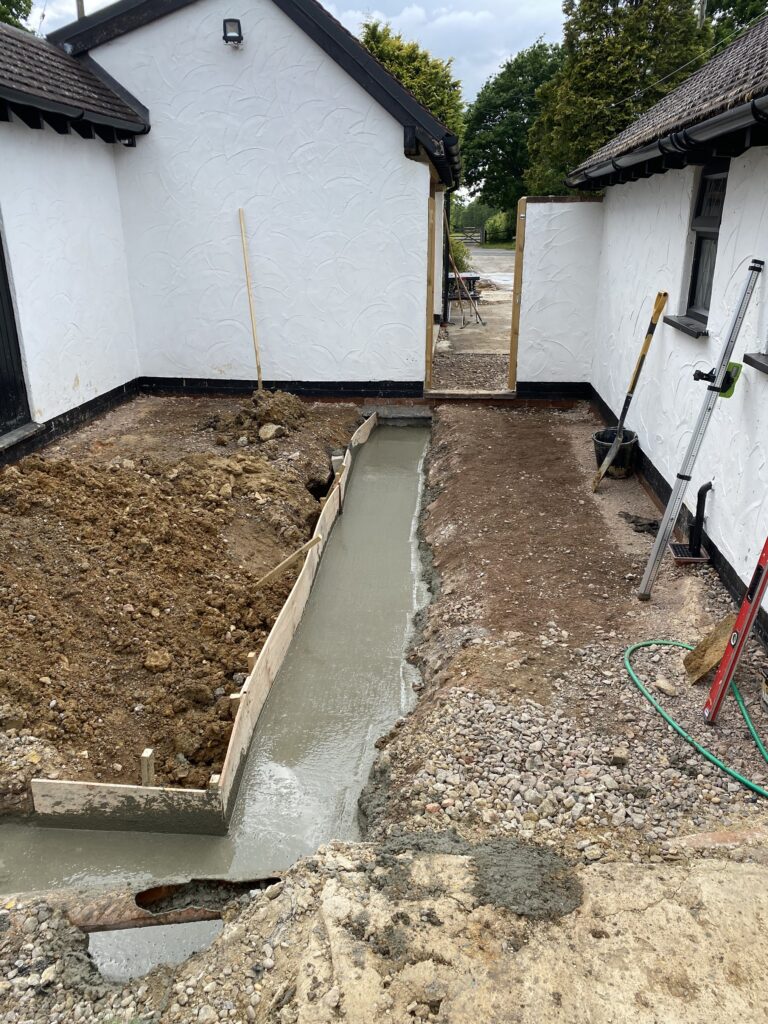
Concrete patios, driveways, and floors are valued for their strength and long lifespan, making them a popular choice for homes and commercial properties across Sussex. However, like any external surface, concrete is affected by its environment – particularly in coastal and changeable climates.
With the right approach to cleaning, sealing, and crack repair, concrete can remain structurally sound and visually appealing for decades. This guide explains how to care for concrete surfaces and avoid common long-term issues.
Why ongoing concrete maintenance matters
Concrete is extremely durable, but it is not maintenance-free. Over time, exposure to moisture, temperature changes, foot traffic, and vehicles can lead to:
- Surface wear and discolouration
- Algae and moss growth in damp areas
- Hairline cracking caused by natural movement
- Water penetration and freeze-thaw damage
In areas closer to the coast, higher moisture levels and salt in the air can accelerate some of these issues, making regular care particularly important.
1. Cleaning concrete surfaces properly
Routine cleaning
For patios and driveways:
- Sweep regularly to remove dirt, leaves, and debris
- Wash with warm water and a mild detergent
- Use a stiff brush to prevent algae build-up
For indoor concrete floors:
- Sweep or vacuum frequently
- Mop with a neutral pH cleaner
Keeping concrete clean not only improves appearance but also prevents surface breakdown over time.
Deep cleaning
Occasional deep cleaning may be needed:
- Pressure washing can remove ingrained dirt, moss, and algae
- Use moderate pressure to avoid damaging the surface
- Treat oil or grease stains promptly to prevent permanent marking
2. Sealing concrete for long-term protection
Sealing is one of the most effective ways to protect concrete from moisture and staining.
Benefits of sealing
A good concrete sealer helps to:
- Reduce water absorption
- Protect against staining from oil and chemicals
- Limit freeze-thaw damage
- Extend the overall lifespan of the concrete
This is especially beneficial for outdoor concrete exposed to rain, sea air, and seasonal temperature changes.
When to seal
- New concrete should be fully cured before sealing (usually around 28 days)
- Outdoor surfaces typically benefit from resealing every 2–5 years
- High-traffic areas may need more frequent attention
Choosing the right type of sealer depends on how the surface is used and whether a natural or enhanced finish is preferred.
3. Preventing and repairing concrete cracks
Small cracks are a normal part of concrete’s life cycle, but they should always be monitored.
Preventing cracks
- Ensure proper drainage around patios and driveways
- Avoid overloading concrete beyond its intended use
- Keep joints clear of debris
- Seal concrete to reduce moisture movement
Repairing minor cracks
For hairline or small cracks:
- Clean out loose material
- Apply a suitable concrete crack repair product
- Allow the repair to cure fully before use
Addressing cracks early prevents water ingress and further deterioration.
When to seek professional advice
If cracks widen, slabs become uneven, or water begins to pool, it may indicate deeper structural issues that require professional assessment.
4. Seasonal care for concrete surfaces
Winter
- Avoid excessive use of de-icing salts, which can damage concrete
- Clear standing water to reduce freeze-thaw stress
Spring and summer
- Inspect concrete for any winter damage
- Clean surfaces thoroughly
- Reseal if required
Simple seasonal checks can significantly extend the life of concrete patios, driveways, and floors.
Long-term care makes the difference
Well-maintained concrete can last for decades with minimal intervention. Regular cleaning, timely sealing, and early crack repairs help protect both the appearance and structural integrity of the surface.
For projects or advice tailored to local conditions across Sussex, working with experienced concrete specialists ensures long-lasting results – whether you’re maintaining an existing surface or planning new concrete work. Get in touch today to order your concrete for your next project, large or small.